
Between the September 2024 tackle-height rollout, the January 2025 Global Law Trials, and the newest maul guideline this June, it’s been a busy two years for the law book. Here’s a working reference for MSRRS members — what’s changed, how to call it, and the stock answer for the coach who wants to know why you didn’t ref that ruck like the Six Nations.
Part 1: Law Changes and Clarifications Since 2024
Tackle Height — Below the Sternum (Open Field Play)
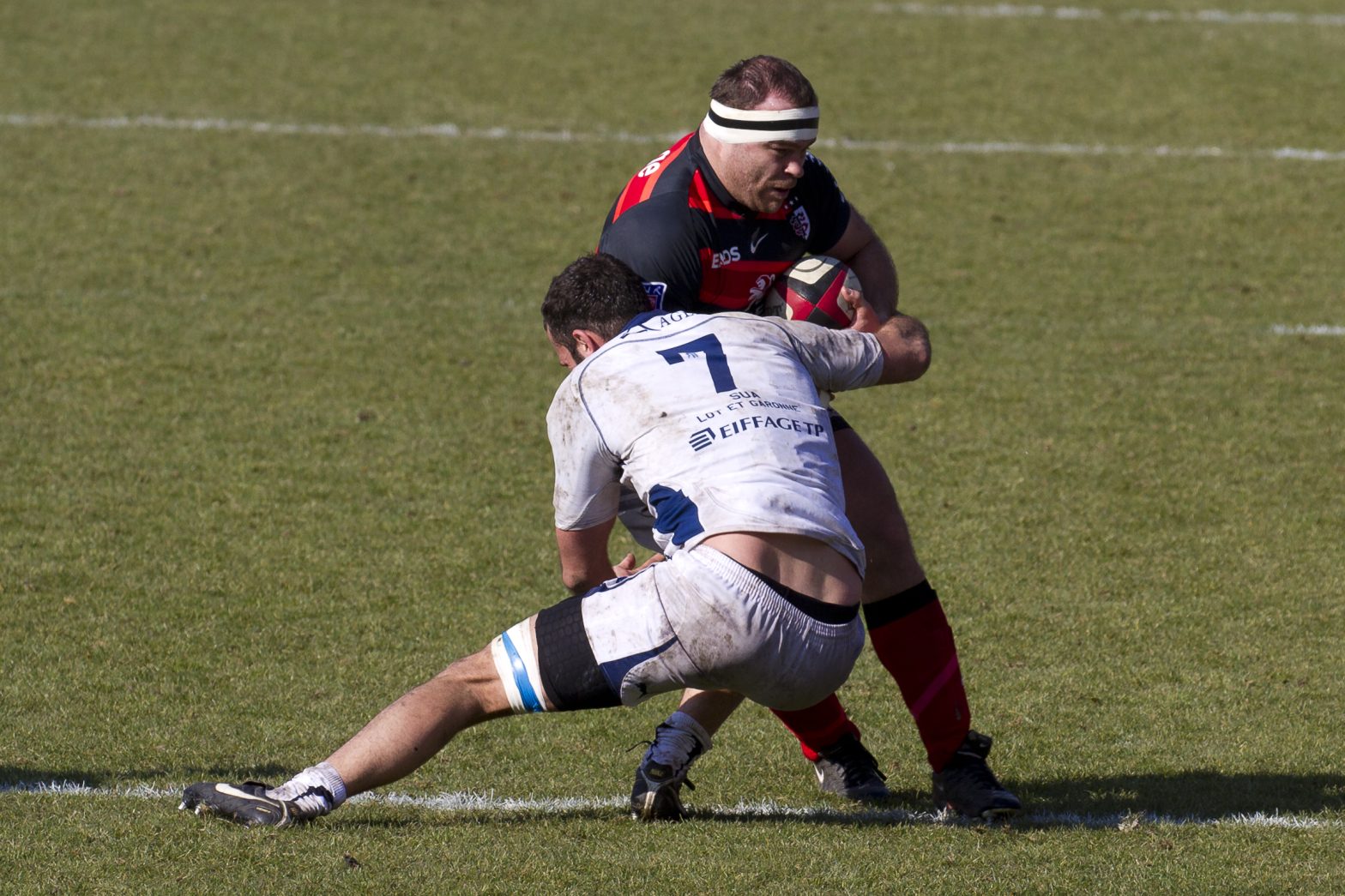
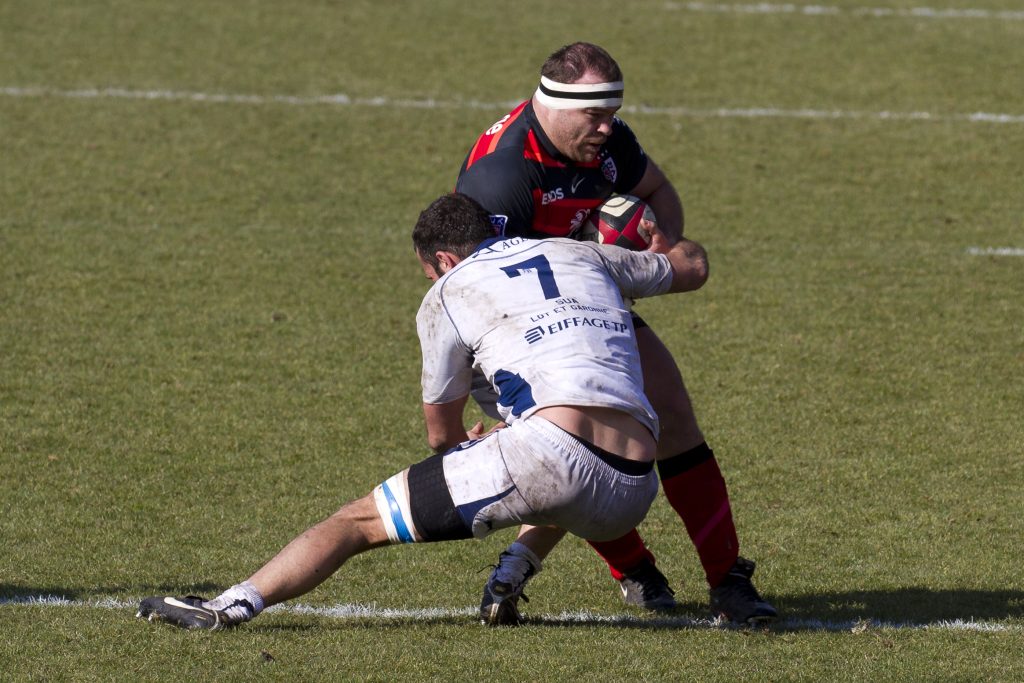
What changed: Since September 1, 2024, MSRRS has been officiating under the community tackle-height law variation: contact above the base of the sternum in open-field play is now sanctioned as dangerous play, same as it always was for contact above the shoulder line.
Sanction: Penalty kick. Repeated or reckless infringement escalates to card sanction under the normal foul-play framework — this is not a new, separate card standard.
Mechanics for us:
- It only bites in open field play. Pick-and-go off a ruck, low dive for the try line, and similar low-body-height contact near the breakdown are excluded — don’t apply the sternum line there.
- As of July 1, 2026, this stopped being an opt-in trial and became permanent global community law, with unions choosing either a waist or sternum sanction line. MidSouth’s standard remains the sternum line — confirm current-season guidance in the Game Management Guidelines before each season, since this is one area World Rugby keeps refining.
- Ball carriers who dip their own height into a tackler to draw a high-tackle penalty can be sanctioned too under the companion ball-carrier clause — it’s not a one-way street.
50:22 and the Try-Line Drop-Out
Both became full global law back in 2022, but they’re worth restating since MSRRS formally folded them into our standard game management guidance alongside the 2024 rollout.
- 50:22: Kick from inside your own half, bounces (not passed/carried) into touch inside the opponents’ 22 → throw-in goes to the kicking team. If the ball is carried or passed back into the kicker’s own half before the kick, the option is dead — watch your ruck/tackle/maul reference point closely before voicing.
- Try-Line Drop-Out (renamed from “goal-line drop-out” in the January 2025 law book — same restart, new terminology): ball held up in-goal, attacker knocks on in-goal, or a defender grounds an attacking kick in their own in-goal → restart with a drop-out anywhere along the try line, replacing the old 5-metre scrum.
The Maul — No Law Change, But Referee It Differently
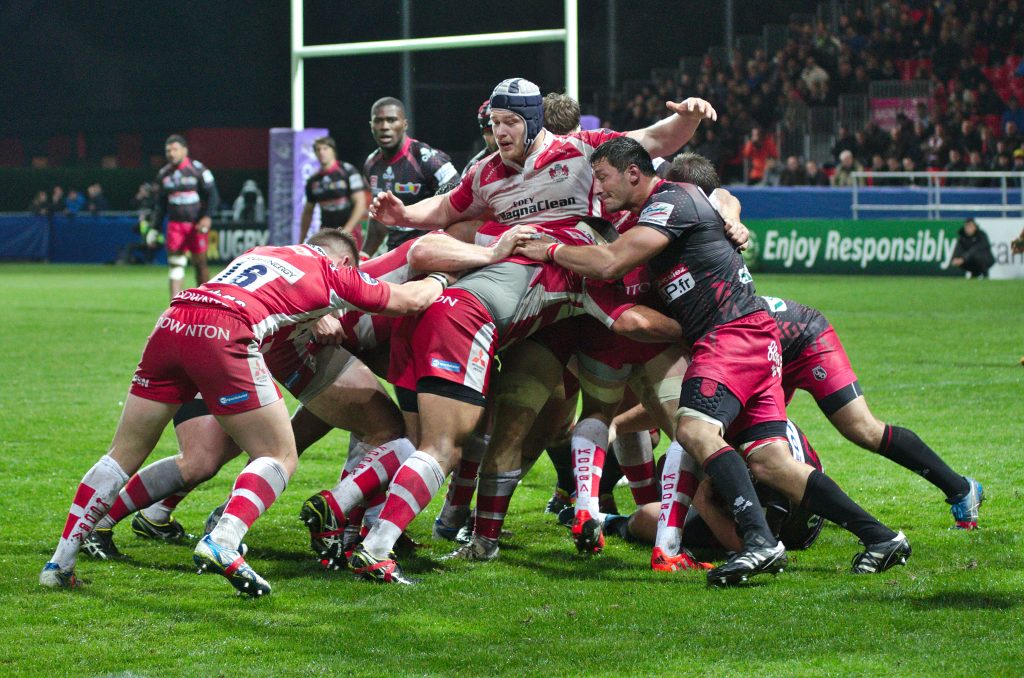
Law 9.17 and 16.11(b) have always banned dragging an opponent out of a maul — that’s not new, and it’s worth reminding your fellow refs since it’s historically under-called at club level. What is new: World Rugby’s Law Application Guideline effective June 1, 2026 directs us to more actively penalize players who end up on the “wrong side” of a maul — no longer in the contest, just standing in the way of the ball being played. Sanction is still penalty kick under existing maul offside/obstruction law; the guideline is about tightening our judgment on when a player has left the contest, not adding new law text.
2025 Global Law Trials — Keep Calm and Carry On (until further notice)
Effective for competitions starting January 1, 2025: 60-second conversion clock, 30-second lineout setup, “play on” instead of automatic re-throw for a non-straight but uncontested lineout, and added scrum-half protection at ruck/scrum/maul. These rolled out first in elite and representative competitions. Currently, they are live for your Saturday match — yet check the current guides next season for clarification on full adoption.
Part 2: The Stock Answer for “Why Didn’t You Call That Like on TV?”
Coaches and parents watching international rugby will occasionally ask why we’re not refereeing it “the way the pros do.” Here’s the accurate answer for each one.
“Why didn’t he get pulled for a head check?” — There is no HIA at community level, and there won’t be. Grassroots uses Recognize and Remove: any sign of possible concussion, the player is off immediately and permanently, no sideline test, no return that day. It’s more conservative than the elite protocol, not a lesser version of it — worth saying explicitly, since parents sometimes read “no HIA” as “less safe.”
“Why is the tackle height different than what I see on TV?” — Elite and international rugby still sanction at the shoulder line. The sternum standard is a community-game law; World Rugby is only beginning to test a lower line at elite level starting with the 2026 U20 Championship. Different level, different sanction line — that’s current law, not inconsistent officiating.
“Why didn’t that red card get replaced after 20 minutes?” — As of July 1, 2026, elite competitions have the option to run 20-minute replaceable red cards. MSRRS and USA Rugby community/club competitions do not use this option — a red card here is a red card for the rest of the match, full stop, unless your competition’s guidelines say otherwise.
“Why is there no video review?” — TMO and instrumented-mouthguard HIA triggers are broadcast/elite-level tools. We referee off what we and our touch judges see in real time, per Recognize and Remove for any head-injury concern. No video, no sensors — that’s standard grassroots officiating, not a shortfall.
Bottom Line for MSRRS Members
Tackle height is the single biggest welfare-driven change we’ve absorbed since 2024, and it’s now permanent global community law, not a trial we might revert from. 50:22 and try-line drop-outs are old news that finally got consistent enforcement. The maul guideline changes our judgment, not our law book. And when a coach asks why grassroots doesn’t match what’s on TV — now you’ve got the accurate, specific answer instead of “that’s just how we do it.”
Sources: World Rugby (world.rugby, passport.world.rugby), USA Rugby, MidSouth Rugby Referee Society Game Management Guidelines (msrrs.org).